Do-It-Yourself Air Conditioning Unit Maintenance Advice for Property Owners
With sweltering warmth of the summer just around the corner, making sure your air conditioning unit remains in optimal shape becomes a necessity among numerous homeowners. An properly cared for air conditioning unit not only maintains your house cool and comfortable but plays a key role in improving interior the quality of the air indoors and power efficiency. Understanding how to maintain your system can greatly extend its duration and improve the efficiency, which saves you money on utility costs along the way.
This article we will explore crucial maintenance advice that all homeowner should know to ensure their air conditioning units operating efficiently. Including identifying the signs that it might be time for a new unit to seasonal maintenance checklists, this article covers everything you need to ensure your unit works at its best. Regardless of whether you have a central air conditioning unit or a mini-split mini-split, these insights will help you make wise decisions about your air conditioning while maximizing its performance and comfort level in your house.
Deciding on the Right Air Conditioning Unit
Picking the best air conditioning unit for your home involves evaluating several important factors that can considerably impact your comfort and energy efficiency. First, assess the size of your space. An air conditioning unit that is undersized will struggle to cool your home effectively, while one that is excessively large can lead to poor operation and increased energy costs. To determine the right size, seek advice from an HVAC professional or use internet calculators that take into account the square footage of your home, ceiling height, and insulation quality.
Another important consideration is the kind of air conditioning unit that most suits your needs. Central air conditioning systems are ideal for big homes or those that need consistent cooling throughout multiple rooms. On the other hand, ductless air conditioning units offer flexibility and can be more energy-efficient for tiny spaces or homes without existing ductwork. Portable air conditioning units are another option, offering mobility but often lower cooling power compared to central or ductless systems.
In conclusion, consider the energy efficiency of the units you are assessing. Look for models with superior Seasonal Energy Efficiency Ratio (SEER) ratings, which indicate better performance and lower operational costs. Additionally, options like smart thermostats can improve energy savings by allowing you to control the temperature remotely and arrange cooling times based on your lifestyle. By considering these aspects, you can choose an air conditioning unit that meets your cooling needs while being aware of energy consumption and operational expenses.
Maintenance and Problem-Solving Tips
Regular care is important for the best performance of AC units. Start by sanitizing or changing air filters every single one to three, depending on usage and filter type. Clogged filters can block airflow, leading to reduced efficiency and higher energy bills. Additionally, ensure that the outdoor unit is free from debris, such as leaves or dirt, which can block airflow and impact cooling performance.
One more crucial aspect of maintenance involves checking the refrigerant levels. Low refrigerant can signal leaks and will not only influence cooling efficiency but also potentially harm the unit. If Click here to find out more suspect low levels, it is advisable to reach out to a specialist for a comprehensive inspection. Maintaining the coils free of dirt is also important, as dirt can build up and hinder the heat exchange process, causing higher energy consumption.
When diagnosing issues with AC units, be mindful to odd noises or odors that may signify problems. If the unit is not cooling effectively, check the thermostat settings and ensure that the unit is set to the cooling mode. If issues persist, consult the user manual for possible error codes or malfunctions. Note, when in doubt, seeking expert assistance can save both hours and costs in the long run.
Energy Efficiency and Installation Factors
When selecting an air conditioning unit, energy conservation should be a primary concern for homeowners. Units with superior Seasonal Energy Efficiency Ratio (SEER) ratings consume less electricity while providing the equivalent cooling power. This not only does it reduce energy bills but also minimizes environmental impact. It's wise to consider models that meet the Energy Star certification, as they indicate excellent energy performance. Investing in energy-efficient units can lead to considerable savings over time, making them a intelligent choice for both the budget and the planet.
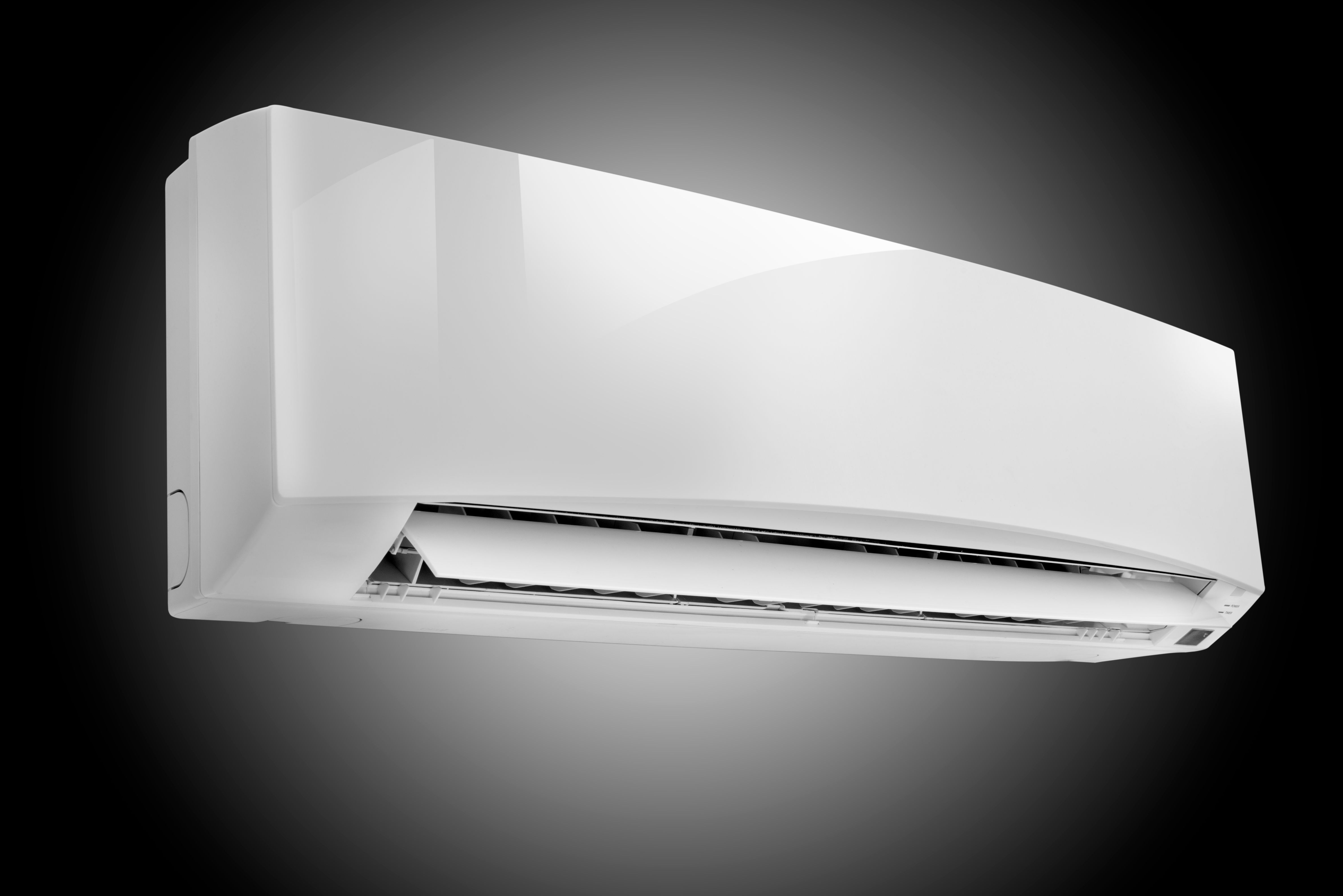
Correct installation plays a vital role in the efficient operation of air conditioning units. Hiring professional installation services can ensure that the unit is correctly set up, including proper sizing, refrigerant charging, and airflow management. Poor installation can lead to a variety of issues, including reduced efficiency, increased energy consumption, and even a diminished lifespan for the unit. Additionally, installers can provide important insights on positioning the unit to optimize airflow and minimize energy loss.
Homeowners should also consider the future implications of their air conditioning unit selection. Factors such as maintenance requirements, expected lifespan, and potential for upcoming upgrades need to be factored into the decision. Choosing a trustworthy brand with a strong warranty can provide peace of mind. Furthermore, spending time to research financing options might make premium, energy-efficient models more accessible, allowing homeowners to enjoy comfort without sacrificing their financial health in the long run.