From Concept into Use: This Evolution of Heat Exchangers
Thermal exchangers are essential components in multiple industries, playing a key role in the transfer of thermal energy between different fluids. From heating water in residential buildings to controlling temperatures in power plants, understanding what a heat exchanger is and how it works is important for engineers and stakeholders alike. As the demand for energy efficiency and sustainability grows to rise, the evolution of heat exchanger technology has emerged as increasingly important, leading to advanced designs and applications that meet contemporary industrial needs.
In this article, we will examine the various types of heat exchangers, studying their specific characteristics and functions. We will delve into the important roles they play in HVAC systems, power plants, and renewable energy systems, emphasizing their impact on energy efficiency and operational costs. By understanding the most recent advancements and maintenance strategies, as well as the importance of picking the right heat exchanger for defined applications, readers will gain important insights into how these exceptional devices contribute to our everyday lives and the industries that drive our economy.
Understanding Heat Exchangers
Thermal exchangers are vital parts in various industrial processes, enabling the transfer of heat between a pair of fluids without them blending. This efficient transfer is crucial for applications ranging from temperature control systems to electricity generation and chemical processing. By utilizing principles of thermodynamics, heat exchangers regulate temperatures and boost energy efficiency.
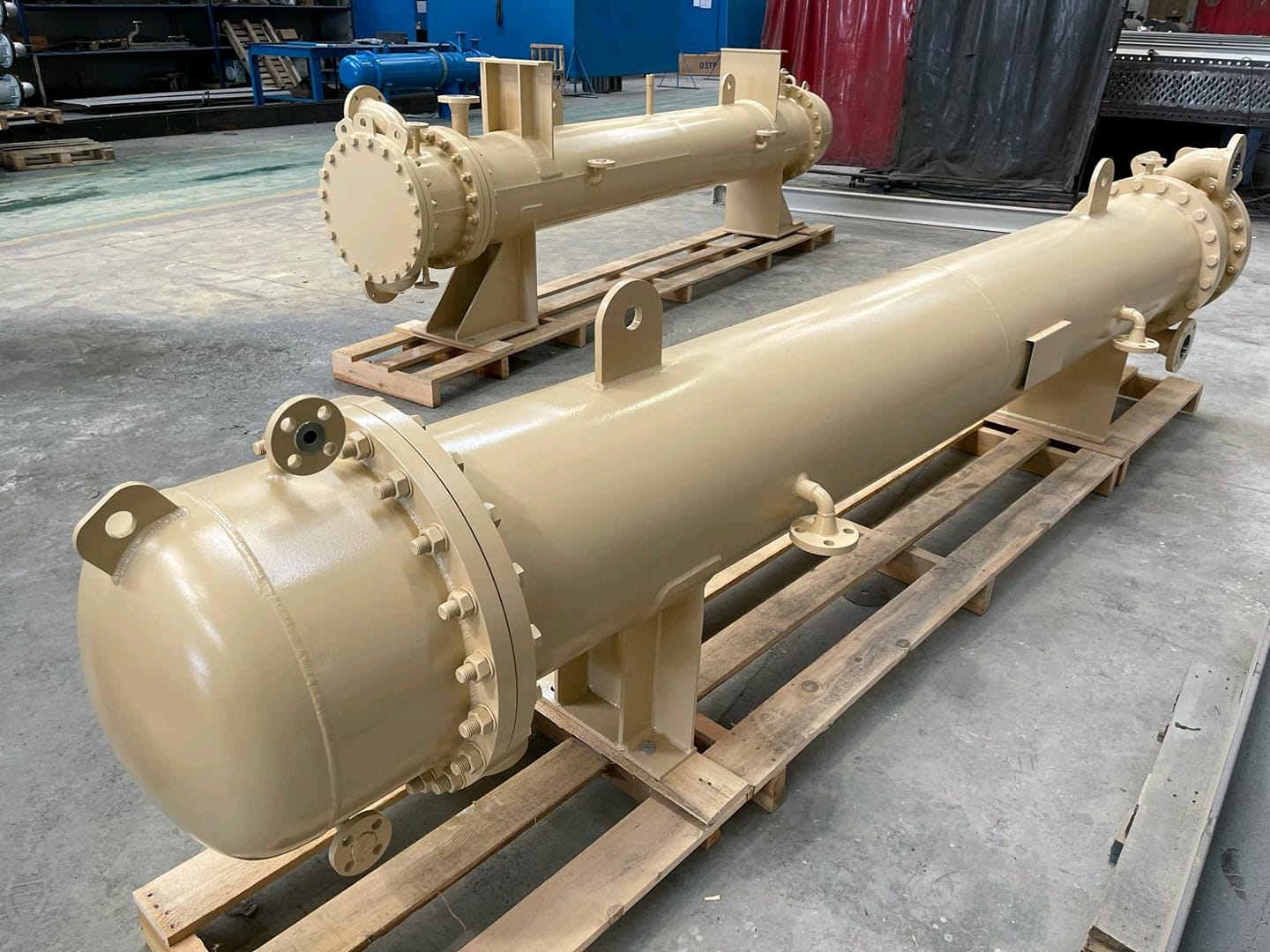
The operation of a heat exchanger involve the circulation of warm and chilled fluids through a series of pipes or plates, maintaining a steady temperature difference. This setup allows energy to be exchanged from the heated fluid to the chilled one, effectively heating or lowering one of the fluids. The capability of this energy transfer is affected by numerous factors, including the blueprint of the heat exchanger, the particular heat capacities of the fluids, and the circulation arrangement.
Recognizing the various types of heat exchangers is crucial for picking the right one for a specific application. From shell and tube to fin-and-plate configurations, each type offers unique advantages and is suited for different operational conditions. As fields continue to evolve, advancements in heat exchanger technology aim to improve effectiveness, lower costs, and enhance sustainability in energy usage.
Uses and Advantages
Heat exchangers are widely employed across various industries, serving as key components in operations that involve the exchange of heat between liquids. In electricity generation stations, they play a vital role in cooling systems, enabling efficient energy conversion and maintaining appropriate operational temperatures. Similarly, in the HVAC sector, heat exchangers improve indoor climate control, allowing for energy efficiency and enhanced comfort in residential and commercial spaces. Their capacity to transfer heat effectively makes them essential in refrigeration systems, where they help maintain desired temperatures for food preservation.
Another important application of heat exchangers is in the pharmaceutical industry, where they aid reactions that require precise temperature management. By effectively transferring heat away from or towards chemical processes, these devices prevent overheating and ensure optimal reaction rates, which is critical for security and productivity. In the food and beverage manufacturing sector, heat exchangers are essential for pasteurization and sterilization, ensuring food safety while preserving quality. Their use not only optimizes production efficiency but also helps organizations meet legal requirements.
The benefits of heat exchangers extend further than their functionality in different applications. They contribute to energy efficiency by reducing operational costs and cutting waste. For instance, by utilizing waste heat in manufacturing processes, facilities can improve overall energy utilization and lower their carbon footprint. Moreover, modern advancements in heat exchanger design, such as compact configurations and advanced materials, are driving sustainability in industries that rely on efficient thermal management systems. This progress highlights the critical role of heat exchangers in enhancing environmental responsibility and operational excellence.
Care and Innovations
Appropriate maintenance of heat exchangers is essential for ensuring their sustained performance and efficiency. Regular inspections help identify issues such as fouling, corrosion, or leaks that can degrade performance and increase energy costs. Implementing Check out here , which consists of cleaning, checking for signs of wear and tear, and assessing thermal performance, can extend the lifespan of heat exchangers considerably. Additionally, employing digital monitoring technologies can provide real-time data on operational conditions, enabling proactive maintenance interventions before more significant issues arise.
Innovations in heat exchanger design are driving improvements in efficiency and sustainability. Compact heat exchangers are becoming increasingly popular due to their ability to deliver high thermal performance in a more compact footprint, making them ideal for limited space applications. Improvements in materials, like the use of titanium and high-grade stainless steel, enhance durability and resistance to corrosion, which is essential in aggressive operating environments. Moreover, innovations such as microchannel heat exchangers and 3D printing of heat exchanger components are paving the way for customized solutions that meet specific industrial challenges.
As industries persist to prioritize energy efficiency and sustainability, the role of heat exchangers is evolving. The integration of smart technologies allows for better energy management and real-time performance optimization, which is crucial in applications ranging from HVAC systems to renewable energy. The development of environmentally friendly refrigerants and the design of heat exchangers that facilitate energy recovery further underline the sector’s commitment to reducing carbon footprints. As these innovations continue to flourish, heat exchangers will remain a critical component in driving the future of energy-efficient systems.