From the Design until Proportion: The Craft of Measured Building Surveys
In the realm of architecture and construction, precise measurements are fundamental elements of effective projects. Measured building surveys play a key role in transforming preliminary sketches into well-planned structures. By collecting thorough data about a building's size, characteristics, and layout, these surveys provide essential insights that inform design decisions, renovation strategies, and construction planning. Understanding the significance of these surveys is essential for property developers, architects, and persons involved in the construction industry.
From historical restorations to modern commercial projects, the applications of measured building surveys are vast and varied. They not only ensure correctness but also save time and resources by stopping costly errors during the construction process. As technology progresses, so too do the methods used in surveying, including the incorporation of laser scanning and 3D modeling. This article examines the power of measured building surveys, highlighting their significance, benefits, and the innovative technologies shaping their future. Regardless of whether you're a seasoned professional or new to the field, grasping measured building surveys is fundamental to attaining success in all building project.
Significance of Quantified Building Surveys
Quantified building surveys are vital for accurately capturing the measurements and characteristics of existing structures. They provide a holistic understanding of a building's layout, which is important for designers, technical specialists, and builders. Without exact measurements, planning and executing renovation or construction projects can lead to costly errors and delays. This data forms the foundation for subsequent design work, ensuring every detail aligns with the intended vision for the project.
These surveys become particularly significant when it comes to renovation projects, where integrating new designs with existing structures can be complex. Quantified building surveys help identify potential challenges, such as structural issues or inconsistencies in original plans. By providing reliable data, these surveys minimize dangers associated with renovation work, allowing for more seamless transitions from idea to implementation. This anticipatory understanding facilitates guided decision-making throughout the renovation process.
Additionally, the role of measured building surveys transcends individual projects; they influence wider industry practices. Reliable survey data supports efficient space planning and can enhance the usability of commercial properties. As industries increasingly rely on precision, quantified building surveys have become a fundamental component in achieving successful design and construction outcomes. Their importance in ensuring accuracy cannot be overstated, as they pave the way for advancement and effective project implementation across various sectors.
Benefits of Accurate Measurements
Precise measurements lay the foundation for successful building and engineering projects. They ensure that designs are executed correctly, minimizing the risk of costly mistakes during construction. When designers and constructors work with trustworthy data, they can create areas that align seamlessly together, enhancing overall functionality and appearance. This precision is especially crucial in renovation projects where existing structures must cohere closely with new designs, making exact surveys essential.
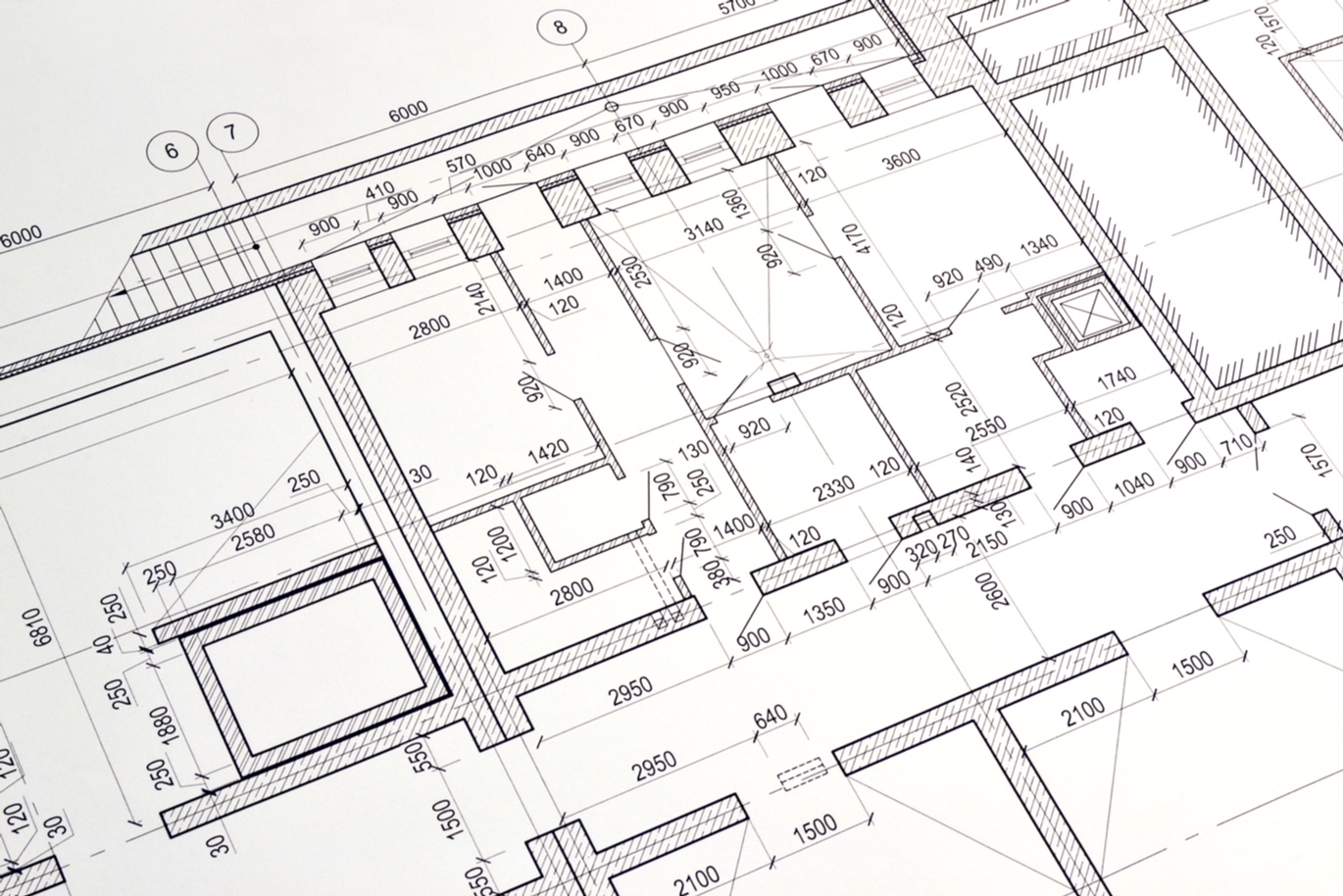
Furthermore, precise measurements significantly enhance project effectiveness. When survey data is accurate, it simplifies the planning and design phases, allowing for more rapid decision-making and minimized revisions. With trustworthy data in hand, teams can avoid unforeseen delays and further costs that typically arise from measurement errors. This productivity not only saves time but also helps keep financial plans on track, making it a fundamental aspect of successful project management.
Finally, accurate measurements contribute to improved safety on construction sites. By providing a crisp and specific understanding of structures, teams can identify potential hazards and implement necessary safety measures from the outset. This anticipatory approach not only protects workers but also ensures compliance with local regulations and standards, ultimately leading to a smoother project execution. The importance of exact measurements thus transcends appearance and performance, playing a essential role in the overall safety and success of any building initiative.
Tech Progress in Surveying
The development of surveying tech has fundamentally changed the method quantified building assessments are executed. Traditional methods relied heavily on physical measurements and two-dimensional drawings, which often led to errors and slow processes. However, innovations such as laser scanning and three-dimensional modeling have improved precision and effectiveness, allowing surveyors to collect intricate spatial data rapidly and with immense detail. With these high-tech tools, architects and contractors can represent structures in 3D, which is vital for successful planning and execution.
Laser scanning technology, in particular, has become a game changer in the field of building assessments. This technology captures millions of data points within a brief timeframe, creating a detailed digital representation of the building. Measured Building Surveys Longford London can be analyzed to develop detailed 3D models, allowing stakeholders to examine existing conditions and execute renovations seamlessly. Additionally, these detailed models improve better communication among project teams, greatly minimizing the likelihood of miscommunications or errors during construction.
Incorporating drone technology into surveying processes also marks a notable advancement. Drones can access hard-to-reach areas and provide aerial perspectives that enhance the overall data collection process. This use of aerial imagery combined with ground-level measurements enables comprehensive surveys that address both lateral and elevational dimensions of a site. As technology continues to advance, the integration of AI and ML into surveying workflows is on the horizon, promising to further refine accuracy and efficiency in the future.