Heat Transfer Champions: The Critical Role of Heat Exchangers
Throughout the modern world, the effectiveness of energy transfer plays a vital role in multiple industries, yet often is unrecognized. At the heart of this process are heat exchangers—extraordinary devices that enable the efficient transfer of heat between fluids without intermingling them. From power plants to HVAC systems, the uses of heat exchangers are vast and important. They serve as the concealed engines fueling energy efficiency, reducing operational costs, and promoting sustainability in innumerable processes.
Understanding what a heat exchanger is and how it functions can shed light on their value in our daily lives and industries. These devices come in diverse forms, each customized to meet particular needs, whether it be a shell and tube design or a more smaller plate heat exchanger. As we investigate the different types, their functions, and the upcoming trends in heat exchanger technology, it becomes evident that these overlooked heroes deserve greater recognition for their essential contributions to energy management and environmental sustainability.
Categories and Applications of Thermal Exchangers
Thermal exchangers are classified into several types, each engineered to fulfill specific commercial needs. The most common categories include tube and shell, plated, air-cooled, water-cooled type, and coiled heat exchangers. Shell and tube thermal exchangers utilize a set of tubes, one set carrying the hot fluid and the another carrying the chilled fluid, facilitating thermal exchange between the two. Plate thermal exchangers, on the contrary, are made up of multiple thin plates stacked together, providing a large surface area for efficient thermal exchange. Each design provides distinct benefits, making it essential to select the right kind based on the use.
The uses of heat exchangers are vast and diverse. In the heating, ventilation, and air conditioning sector, they play a key role in maintaining comfortable indoor temperatures by transferring heat between air and liquids. Electricity generation facilities rely on heat exchangers to convert energy efficiently, using them in condensers and chillers. In the chemical industry, these systems assist in regulating the heat of chemical processes, ensuring optimal output quality while upholding safety requirements. The food and beverage industry also employs thermal exchangers for pasteurization and cooling processes, highlighting their importance in preserving product integrity.
Additionally, thermal exchangers are integral to sustainable energy systems, such as solar and geothermal installations, which they enhance energy capture capabilities. The automotive industry utilizes thermal exchangers to manage engine heat levels, ensuring performance and safety. As industries strive for greater energy effectiveness, the function of thermal exchangers continues to grow, showcasing their essential contribution to eco-friendly practices.
Performance and Maintenance of Thermal Exchangers
Ensuring the effectiveness of heat exchangers is crucial for maximal performance in numerous industrial applications. Efficient heat transfer relies on the cleanliness and operational integrity of the heat exchanger surfaces. Fouling, which refers to the accumulation of unwanted materials on heat transfer surfaces, can significantly impair efficiency by reducing heat transfer rates. Routine cleaning schedules and the use of suitable cleaning techniques are critical to minimize fouling and ensure that heat exchangers operate at their best. Monitoring the thermal performance and pressure drops can also help in determining when maintenance is needed.
Regular maintenance not only extends the lifespan of heat exchangers but also enhances their energy efficiency. Implementing a proactive maintenance program can include physical inspections, performance testing, and monitoring of functional pressures and temperatures. Such preventive measures can help detect early signs of wear or failure, allowing for timely repairs that can prevent more extensive and costly interruptions. Additionally, digital monitoring technologies have made it easier to monitor performance metrics in real-time, further improving maintenance strategies.
When choosing heat exchangers for specific applications, it is crucial to consider not just their initial efficiency but also their maintenance requirements over time. Different designs, such as gasketed plate heat exchangers, offer easier access for cleaning and servicing compared to alternative types. Choosing materials and designs that ease maintenance can lead to reduced operational costs and increased reliability. Overall, a considerate approach to both the efficiency and maintenance of heat exchangers is vital for optimizing their performance and ensuring their long-term viability in various industries.
Innovations and Future Trends in Heat Exchange Systems
As sectors strive for greater energy-saving measures and eco-friendliness, breakthroughs in heat exchanger technology are gaining importance. One of the most exciting advancements is the progress of miniature heat exchangers. These units have channels that are substantially thinner than those found in standard systems. This space-saving design offers superior heat transfer performance while lowering the amount of refrigerant, resulting in more affordable energy consumption and reduced environmental impact.
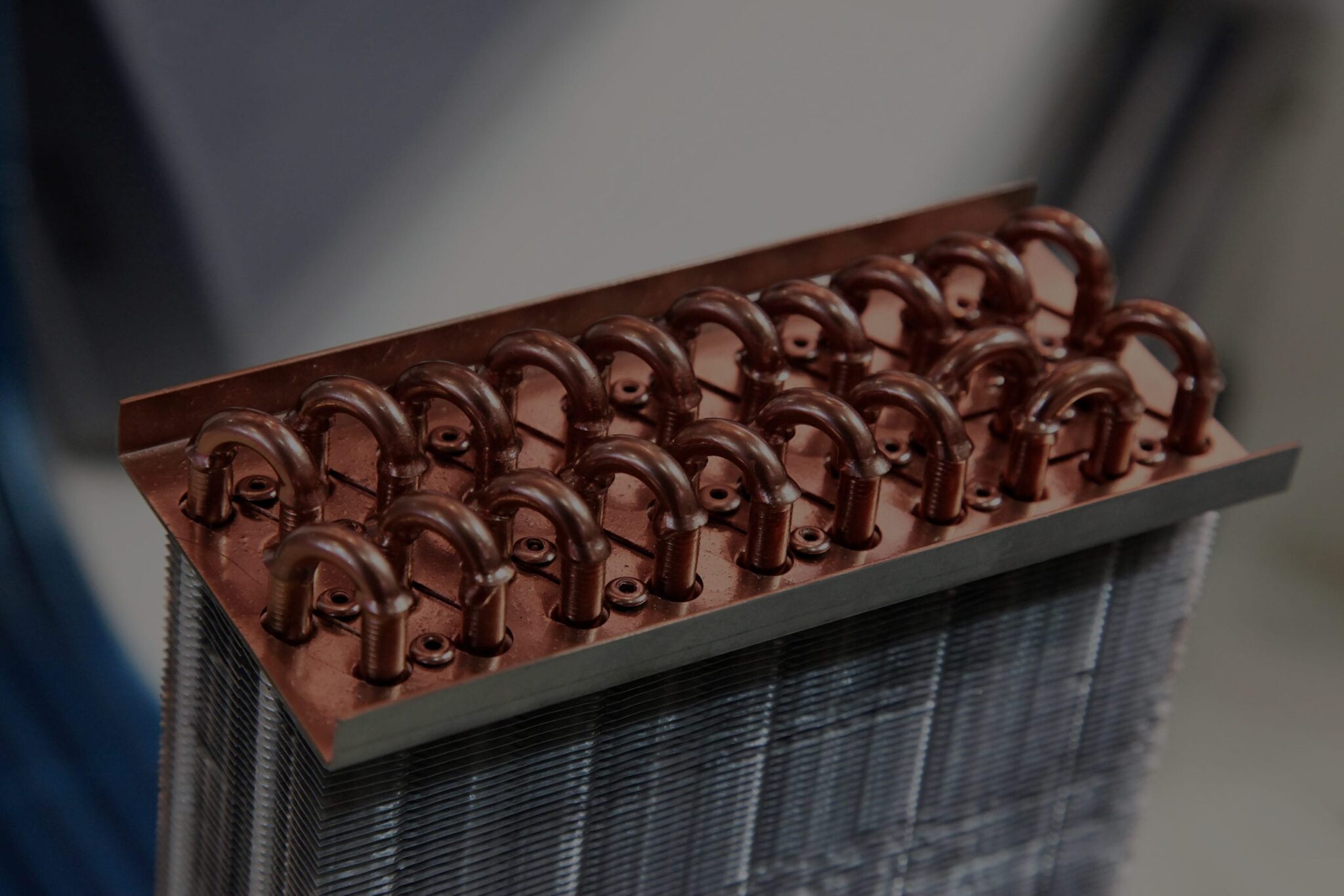
Another encouraging trend is the adoption of smart technology into thermal exchangers. With the rise of the Internet of Things, manufacturers are prepared to incorporate sensors and data collection systems. These developments allow for instantaneous data acquisition and assessment, resulting in improved maintenance practices and enhanced productivity. Anticipatory maintenance, driven by analytical insights, can mitigate breakdowns and extend the durability of thermal systems, making them even more trustworthy.
Finally, the research of new materials is set to revolutionize the design of heat exchangers. Advancements such as high-performance composites and graphene-based materials offer significant advantages in terms of thermal efficiency and resistance to corrosion. These substances can potentially minimize the weight of heat exchangers while maintaining or boosting their efficacy. As engineering plans for hot water loop continues, we may see a new generation of heat exchange solutions that are more lightweight, better performing, and better suited to fulfill the requirements of contemporary uses in different fields.