The Ultimate Manual for Keeping the Basement Free from Water
Keeping your basement dry is important for upholding the integrity of the home and ensuring a safe living environment. Moisture infiltration not only damages your belongings but also compromises the structural integrity of your house and can lead to severe mold growth. For this reason, basement waterproofing should be a top concern for homeowners, no matter if your house is newly constructed or has stood for many years. Grasping the various aspects of basement waterproofing will enable you to make informed decisions about safeguarding your investment and enhancing the home's value.
In this comprehensive guide, we will discuss everything you need to know about basement waterproofing. From recognizing the signs that your basement needs immediate attention to learning about the different waterproofing methods, we will provide you with the knowledge necessary to effectively keep the basement dry. Whether you're thinking about DIY solutions or hiring a professional contractor, we'll also discuss the costs involved and how to pick the right approach for the specific situation. Get ready to delve into the world of basement waterproofing and learn how to protect your home successfully.
Fundamental Waterproofing Strategies
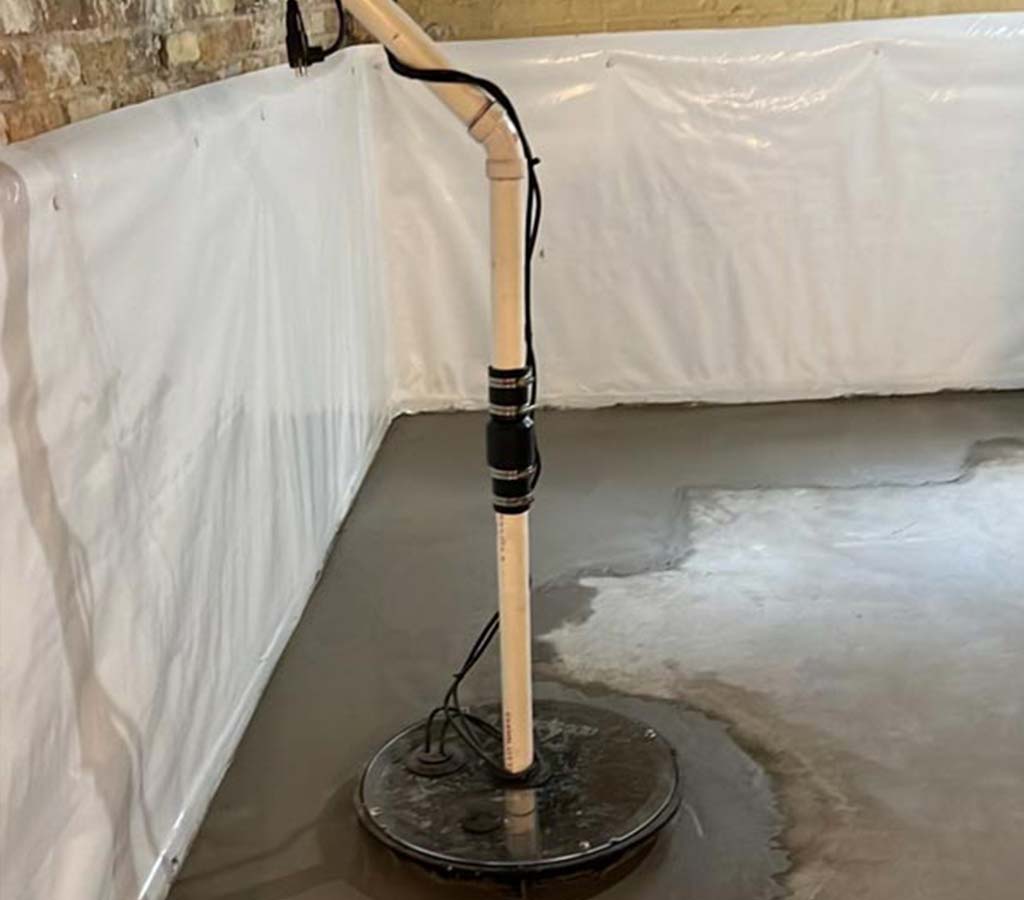
When it comes to underground waterproofing, numerous strategies can efficiently keep moisture at bay and safeguard your home from flooding damage. One of the most popular approaches is internal waterproofing, which involves setting up a drainage system coupled with a sump pump. This system captures any water that leaks into the basement and directs it out, preventing flooding and reducing humidity levels. It is usually less invasive than exterior approaches and can be a cost-effective option for homeowners seeking to tackle minor moisture issues.
On the other hand, external waterproofing is an important approach for preventing water from entering your basement in the initial instance. This procedure usually entails excavating around the footing of your home to put on a waterproof membrane or coating. Additionally, exterior drainage systems, such as French drains, can be installed to divert surface water away from your home. While this approach is typically costlier and requires more labor, it can offer long-term safeguarding against major water intrusion, especially for homes in areas with elevated water table.
In conclusion, integrating both interior and exterior approaches can provide the most effective protection against moisture issues. This combined approach ensures that any water that does get through the exterior barriers can be efficiently handled with an interior drainage system. Homeowners should consider their specific needs, taking into account factors like soil type, local climate, and the current condition of their basement, to determine the most suitable waterproofing techniques for their situation. By adopting Click for source , you can safeguard your home’s structure and foster a safer living environment.
Understanding Expenses and Worth
As evaluating basement waterproofing, grasping the costs associated is crucial for homeowners. The cost of waterproofing can differ significantly according to factors such as the size of the basement, the severity of the moisture problem, and the chosen waterproofing method. Generally, https://khaki-onion-pk26l2.mystrikingly.com/blog/soggy-floors-now-is-the-time-for-a-basement-moisture-proofing-revamp may cost less upfront, while exterior waterproofing tends to involve higher expenses due to excavation and installation of drainage systems. Homeowners should aim to obtain varied quotes from contractors to ensure they are getting a reasonable price for the work required.
In addition to the initial costs, it is vital to consider the long-term value that basement waterproofing brings to a home. A well-waterproofed basement not only protects against water damage but also enhances the overall structural integrity of the property. Homes with dry basements are often more appealing to buyers, possibly increasing resale value. Furthermore, preventing water-related issues can reduce homeowners significant costs in repairs and maintenance later on.
Ultimately, investing in high-quality basement waterproofing is a prudent decision for any homeowner. By addressing moisture issues proactively, individuals can enhance their living conditions, prevent mold growth, and improve indoor air quality. This investment not only safeguards the home but also offers peace of mind, knowing that the basement is a usable and safe space.
Upkeep and Misconceptions
Maintaining your cellar waterproofing measures is important for ensuring its effectiveness over time. Routine check-ups should be part of your maintenance routine. Look for signs of wear or harm, such as cracks in the walls or the flooring, and ensure that drainage solutions are clear and functioning properly. It is also critical to inspect the sump pump and any backflow prevention valves to confirm they work effectively, especially before heavy rainfall or the thawing of snow. Simple upkeep can avert costly repairs and maintain your basement dry.
Many homeowners are misled by false beliefs surrounding basement waterproofing that can lead to poor decisions. One common myth is that a waterproofing system lasts indefinitely without any maintenance. In https://dempsey-pitts-2.thoughtlanes.net/unleashing-dryness-crucial-basement-protection-techniques , even the best systems require maintenance and periodic fixes to manage damage from the elements. Another misconception is that all waterproofing techniques are the same; in fact, each method has its benefits and is designed for specific situations. Staying educated helps homeowners avoid these misleading ideas and make decisions based on facts.
Understanding these myths and dedicating yourself to regular maintenance can significantly enhance the longevity of your waterproofing system. By staying proactive, you shield your home from moisture-related issues and maintain its value over time. This commitment not only pays off by preventing damage but also supports a healthier living environment by lowering the chances of mold growth and enhancing indoor air quality.