This Comprehensive Manual to AdBlue Deletion: All You Should to Know
Lately, AdBlue technology has become an essential part of contemporary diesel vehicles, contributing to lower toxic emissions to meet stringent environmental regulations. However, despite its effectiveness, many diesel vehicle owners experience a range of issues pertaining to the AdBlue system. read more may cause drivers to consider alternatives including an AdBlue delete, a controversial choice that has generated significant discussion. This guide aims to provide you with a thorough summary of what the AdBlue delete process is, the motivations behind it, as well as its possible risks and rewards.
Comprehending the intricacies of AdBlue systems is essential for any diesel vehicle owner or fleet manager. Starting with common warning signs to the signs of system failure, recognizing these signs can save you resources and time. As we investigate the world of AdBlue deletes, we will examine the justifications why certain individuals may choose this path rather than repairs, the impact on vehicle efficiency, as well as what you need to understand to make wise decisions about your diesel emissions system. If you are merely interested or dealing with problems with your vehicle, this document will provide you with the essential information to handle the intricacies of AdBlue and its alternatives.
Understanding the Deletion of AdBlue: Benefits and Drawbacks
AdBlue removal refers to the process of removing the AdBlue technology from diesel-powered vehicles. This system is designed to reduce harmful emissions by breaking down nitrogen oxides through selective catalytic reduction (SCR). While some vehicle owners consider an AdBlue removal as a way to avoid the complexities and potential failures associated with the system, it is crucial to comprehend the implications of this decision. The primary advantage cited by those opting for an AdBlue removal is the perceived increase in vehicle performance and the elimination of the requirement for AdBlue fluid, which can lead to reduced operating costs.
However, the risks associated with an AdBlue removal are considerable. Disabling the technology can lead to non-compliance with emissions regulations, putting vehicle owners to substantial fines and legal penalties. Moreover, many modern diesel engines are tuned to operate with the AdBlue technology in place, and by bypassing it, drivers may face unexpected issues such as engine malfunctions, decreased fuel efficiency, and increased wear on engine components over time. It is vital for owners to consider these potential downsides against the short-term advantages of an AdBlue removal.
Furthermore, an AdBlue delete can affect the resale value of a vehicle. Prospective buyers or leasing companies may consider a deleted technology as a red flag, as it indicates that the vehicle may not comply with environmental standards. Additionally, removing the AdBlue technology can complicate repairs and maintenance, since many repairs will require restoration of the original emissions controls. Thus, comprehending both the benefits and risks associated with an AdBlue delete is essential for making an informed decision that considers sustainable vehicle health and regulatory compliance.
Frequent Challenges and Solutions for AdBlue Configurations
SCR systems can experience various issues that may impact their functionality and efficiency. One common problem is crystallization, which takes place when AdBlue solution evaporates, leaving behind crystalline deposits that can obstruct the system. To prevent this, it is vital for vehicle owners to frequently check the AdBlue level and surroundings . Keeping AdBlue in a consistent temperature and minimizing exposure to direct sunlight can aid uphold its effectiveness and stop solidification.
A further recurring issue is the presence of substandard AdBlue. Poor solutions can result in fuel injector malfunction and clogs that restrict the proper operation of the system. To mitigate this concern, diesel vehicle drivers should only acquire AdBlue from reputable suppliers who adhere to the ISO 22241 standard. This ensures that the product meets the necessary specifications for quality and performance, lowering the risk of harmful effects on the AdBlue system.
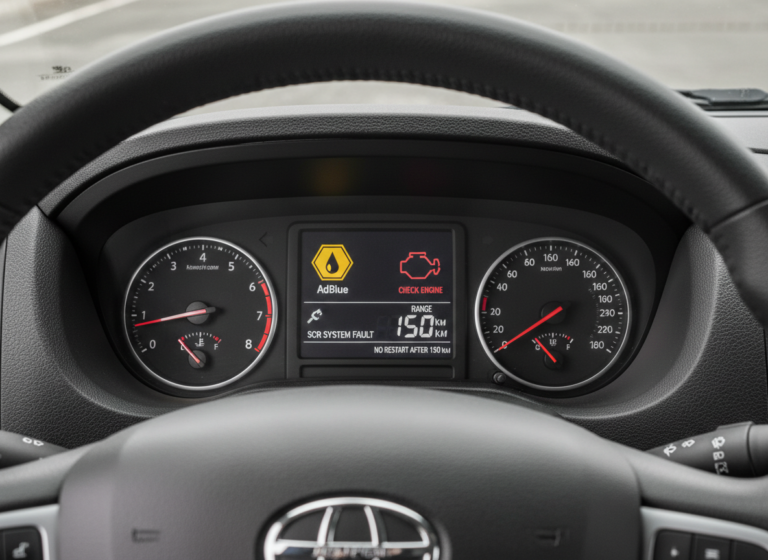
Finally, an illuminated alert related to the AdBlue system can indicate various issues, ranging from low AdBlue levels to potential component issues. When such warning lights appear, it is crucial for drivers to use diagnostic equipment to identify the underlying issue. Prompt intervention can avert more critical problems and costly repairs down the line. Frequent maintenance checks and addressing issues as soon as they arise will help secure the longevity and durability of AdBlue configurations in diesel vehicles.
Upcoming Developments in Diesel Emissions and Urea Solution Technology
The prospects of diesel emissions solutions is predicted to emphasize on boosting effectiveness and adherence with rigorous environmental regulations. As legislators around the globe establish increasingly strict emissions standards, manufacturers are channeling funds into advanced solutions that enhance the efficacy of Ad Blue solutions. Developments such as predictive maintenance and real-time monitoring can help fleet operators oversee their urea systems with greater efficacy, lowering unexpected failures and guaranteeing alignment with standards.
Another movement is the development of different pollution control solutions. Studies is investigating ways to complement or even supersede urea systems with new methods that may provide better performance or lower costs. These methods could possibly address the issues of present solutions, such as precipitation challenges or dependency on urea products. As these advancements arise, they may reshape the landscape of diesel pollution control, presenting innovative answers for both light-duty and heavy-duty vehicles.
Additionally, the melding of digital tools is ready to transform how the car manufacturing sector handles diesel emissions. Sophisticated diagnostic systems and software are now equipped of offering comprehensive data into car efficiency and pollution information. This change not only assists in preventative servicing but also empowers fleet owners to take strategic actions about their logistics, which could improve fuel consumption and reducing inactive time. As the movement towards digitization continues, the synergy between tech innovations and AdBlue systems will be significant in influencing the next generation of diesel vehicles.